
Best Time to Visit Turkey: A Complete Month-by-Month Guide 2025

For someone who loves to have fun with friends and explore all things adrenaline driving, Turkey is the best place. Turkey’s diverse geography creates distinct regional climate patterns, with coastal areas enjoying Mediterranean warmth, central regions experiencing continental conditions, and mountainous eastern regions having their own microclimates. This variety means the optimal time to visit can vary significantly depending on which parts of Turkey you plan to explore and what activities interest you most.
Dream Travel Yari brings travelers an insightful guide on Best Time to Visit Turkey: A Complete Month-by-Month Guide. We also offer exciting Turkey Holiday Tour Packages with flexible itineraries to take charge of all the preparations while you enjoy the fun part.
What are the best months to visit Turkey, you might ask!! From all the right and authentic sources, we present to you what could be the best months to visit Turkey. Along with time and fun activities to do, Turkey also provides a good, rich culture, giving you ample things to visit and make great memories with. Couples planning their Honeymoon in Turkey can use this detailed guide to carefully plan or organize the trip.

January is the heart of winter in Turkey, making it a great time for snow lovers and budget travelers. Cappadocia looks magical under a blanket of snow, and hot air balloon rides are especially beautiful against the frosty landscape. Ski resorts such as Bursa, Erzurum, and Kartalkaya attract winter sports enthusiasts.
Istanbul experiences cold, rainy weather with occasional snow, but the upside is fewer crowds at iconic sites like Hagia Sophia and Topkapi Palace. Eastern Turkey is very cold, best suited for those seeking a snowy adventure. Since it’s off-season, flight tickets and hotels are more affordable, offering great value for travelers.
Essentials: thermals, layers, and hot coffee. With a hint of enthusiasm for the day.
Fun events: Ski Season, Greek Orthodox Epiphany, Camel Wrestling Championship
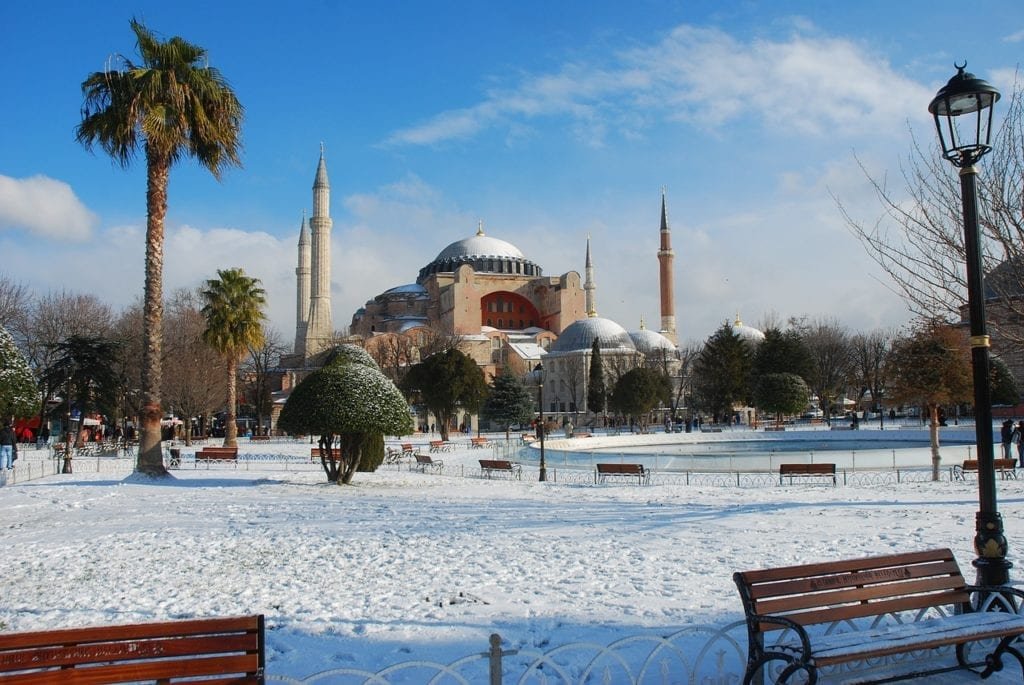
February continues the winter season, keeping temperatures low across most of Turkey. While the weather is cold, this is one of the most peaceful months to visit, as tourist crowds remain minimal. Cappadocia’s snowy valleys and fairy chimneys look enchanting, and hot air balloon rides are still available when the weather permits. Skiing conditions remain excellent in Erciyes.
Istanbul is chilly and often rainy, but this gives you the chance to enjoy museums, bazaars, and traditional hammams without long lines. Budget-conscious travelers will love February for its affordable hotels and flight deals, making it ideal for those seeking a quiet, cultural, and cozy winter trip.
Essentials: Bonfires, hot chocolates, mufflers, warm ear cuffs, and a lighter overcoat!
Events: Ski Season, Datça Almond Blossom Festival, Camel Wrestling Championship
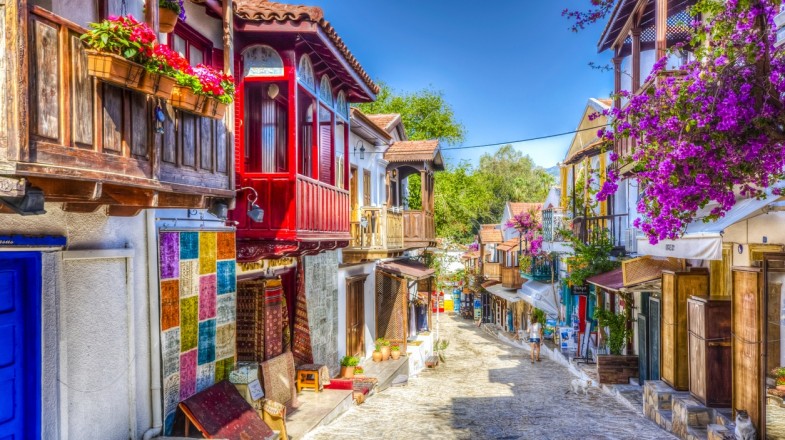
March marks the transition from winter to spring in Turkey, bringing mild weather and the first signs of blooming flowers. Istanbul and other western cities experience a fresh, cool atmosphere with average temperatures between 10 and15°C. While rain is common, it doesn’t stop travelers from exploring landmarks like Hagia Sophia, the Blue Mosque, and the Grand Bazaar.
Cappadocia begins to thaw, offering scenic hikes alongside its iconic balloon rides. Although the weather can be unpredictable, March is great for those who prefer fewer crowds and lower prices.
Essentials: A ray of hope, happiness, the will to feel awesome and light, a singular jacket.
Events: Cherry Blossom Viewing, International Istanbul Dance Festival, Troy Culture and Art Festival, and Camel Wrestling Festival.

April is one of the best times to visit Turkey, with blooming tulips and pleasant spring temperatures averaging 15–20°C. Istanbul shines during the Tulip Festival, transforming its parks and gardens into colorful carpets of flowers. The weather is ideal for exploring Cappadocia’s valleys, the ancient ruins of Ephesus, and Pamukkale’s thermal terraces. Coastal regions like Antalya and Bodrum are warming up, though still quieter compared to the summer rush.
Essentials: Waterproof jacket, long-sleeved tops, sweaters, and comfortable walking shoes, along with a headscarf for mosque visits.
Events: National Sovereignty and Children's Day, Ramadan Bayramı,

May is often considered the best overall month to visit Turkey. With temperatures ranging from 20–25°C, it offers warm days and cool evenings perfect for both sightseeing and outdoor adventures. The Mediterranean and Aegean coasts begin to welcome beachgoers, while Cappadocia and central Turkey provide excellent conditions for hiking and balloon rides. Istanbul and other cities host cultural festivals, adding a lively atmosphere to your trip.
Essentials: Comfortable walking shoes for sightseeing, sunscreen and sunglasses for sun protection, and a lightweight scarf or shawl for modest attire at religious sites or for sun protection.
Events: Atatürk, Youth and Sports Day.

June marks the start of summer in Turkey, bringing long sunny days and warm weather perfect for exploring coastal cities like Antalya, Bodrum, and Izmir. The Aegean and Mediterranean beaches are at their best, with clear waters ideal for swimming, sailing, and diving. Istanbul buzzes with outdoor activities, rooftop dining, and Bosphorus cruises. Cappadocia is also popular for hot-air balloon rides under clear skies.
Essentials: Light cotton clothes, sunscreen, and a hat to protect your pretty face.
Events: Istanbul Music Festival, Aspendos Opera and Ballet Festival.
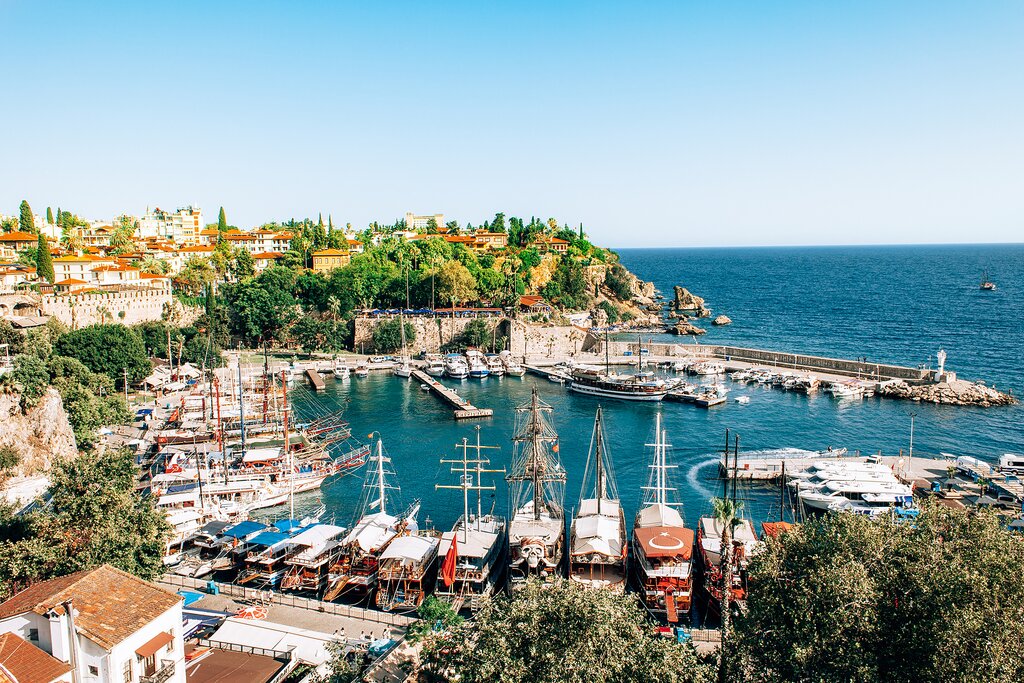
July is peak summer, with hot temperatures across Turkey. Coastal resorts are full of life, and water sports dominate activities. The heat in inland regions like Cappadocia and Pamukkale can be intense, so mornings and evenings are best for sightseeing. Istanbul tends to be crowded but offers vibrant nightlife and cultural performances.
Essentials: Breathable clothes, swimwear, sunglasses, and plenty of water.
Events: International Jazz Festival in Istanbul.

August is the hottest month, especially in inland cities, while beaches remain the main attraction. Bodrum and Marmaris host lively nightlife, beach parties, and yacht festivals. Historical sites such as Ephesus are busy, but early visits help avoid heat and crowds. For cooler weather, Black Sea towns like Trabzon and Rize are great options.
Essentials: Very light clothing, sunblock, and a refillable water bottle.
Events: Victory Day (30th August), local summer festivals.

September is one of the best months to visit Turkey, with warm but pleasant weather. Coastal areas are less crowded yet still perfect for swimming, and Istanbul regains a calmer rhythm, making it ideal for sightseeing. Cappadocia and Pamukkale enjoy comfortable conditions for outdoor exploration.
Essentials: Light clothing for the day, a light jacket for evenings.
Events: International Film Festival in Antalya, Izmir International Fair.
October welcomes autumn, with cooler temperatures and beautiful landscapes. Cappadocia’s valleys are stunning under autumn colors, while Istanbul’s parks offer scenic views. The Aegean and Mediterranean coasts are still mild, making it possible to swim until mid-month. Cultural tours are popular as the weather is more relaxed.
Essentials: Light layers, comfortable walking shoes, and a jacket.
Events: Republic Day (29th October), Akbank Jazz Festival in Istanbul.

November brings a chill in most parts of Turkey, though coastal regions remain mild. Istanbul and Ankara become cooler, ideal for museum-hopping, Turkish baths, and exploring historic bazaars. Cappadocia experiences colder evenings, adding magic to hot-air balloon rides. Eastern regions may see early snowfall.
Material: Warm jackets, layered clothing, and scarves.
Events: Atatürk Memorial Day (10th November), local cultural fairs.

December is the start of winter, with cold weather across much of Turkey. Ski resorts in Uludağ, Palandöken, and Kartalkaya attract visitors for winter sports. Istanbul’s festive markets, warm cafes, and Bosphorus views add charm. Coastal towns are quieter, offering a peaceful escape.
Essentials: Heavy coats, boots, gloves, and woolens.
Events: New Year celebrations, winter ski festivals.
In spring, the best months are March to May, giving you a balance of cool breeze and fewer ‘tourist’ crowds. Summer marks school holidays and too much fun, so beware of kids being all up in your personal space. Making you the bad guy when their parents come up to you to settle a silly fight!!! Winter and autumn have the most gorgeous views and the best prices.
Seasons are often a very common excuse to visit a place like Turkey. Here are the main attractions forever all seasons and why these are the Best times to visit Turkey, Complete Month-by-Month Guide.
We hope this can help you with all the required insights for your next trip to Turkey, with all the right places to be and all the right things to do. For more such things and opportunities, contact Dream Travel Yaari today for all the trips and tour packages, and all things travel, and for your next trip! Dream Travel Yarari is the way to go!
What is the best time of year to visit Turkey for good weather?
The best months are April to June and September to October, when the weather is pleasant and crowds are moderate.
Can I visit Turkey during Ramadan?
Yes, but travelers should be mindful of cultural practices. Many attractions remain open, but some restaurants may have limited daytime service.
What is the best time to visit Turkey for first-time travelers?
If it’s your first trip, spring (April–June) and autumn (September–October) are ideal. The weather is mild, major attractions like Istanbul, Cappadocia, and Ephesus are comfortable to explore, and you avoid the summer heat and crowds.
How should I plan my visit if I want to cover both historical and natural sites?
The best months are April–June and September–October. These shoulder seasons allow you to comfortably explore historical landmarks like Ephesus, Troy, and Cappadocia, while also enjoying natural wonders such as Pamukkale and the Mediterranean beaches.
Which month is the cheapest to travel to Turkey?
January and February are the most budget-friendly months. Flight and accommodation costs are low, and fewer tourists mean you can enjoy attractions like Topkapi Palace and Pamukkale in peace.
