
Best Time to Visit Japan: Seasons & Costs | Dreamtravelyaari

Japan seems to wear a different outfit in all four seasons. One might be romancing in the lanes adorned with pink petals in spring, enjoying bustling festivals in summer, marvelling at the red and orange hues of fall, or building a snowman in winter, and this transformation is quite fascinating to watch. But what are the perfect times to visit Japan for those who seek to savour every bit of its beauty?
This solely depends on the desires one carries before a Japanese sojourn. Whereas the most loved Cherry blossom season falls in March, May, October and November are best for watching the falling leaves and easy sightseeing; winter's allure is for its ski, snow, and unique festivities. The period of your Japanese journey can, in turn, impact visiting groups, lodging fares, airfares, and total expenses incurred. From the best season to visiting Japan to its climate, prominent festivals, varied regional specialties, to visiting expenses, find out here all about visiting Japan in a season. Book Dreamtravelyaari now!
Japan has four distinct seasons, but temperatures can vary from the far-flung, northerly region of Hokkaido and the central areas of Tokyo and Kyoto to the southern island of Okinawa. So, to a certain degree, the answer depends on what your interests are when visiting Japan and where you're heading.
Spring: March - May
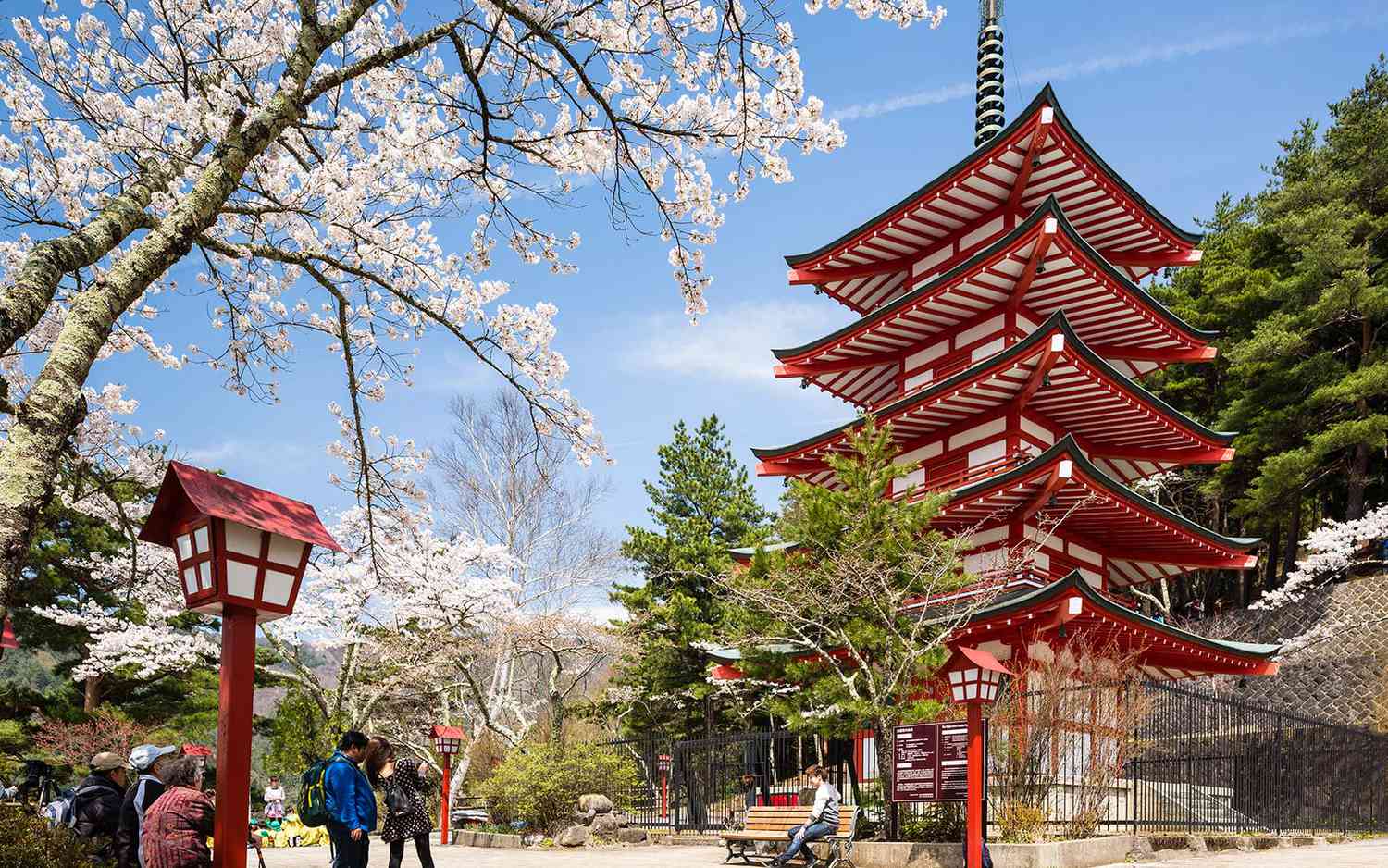
Spring is arguably the most popular time of year to visit Japan. Mild temperatures slowly arrive, and it's also the time that Japan's most iconic flowers, cherry blossoms (sakura), begin to bloom from south to north of the country. Much of Japan in March and April has pleasant conditions for exploring cities, temples, gardens and countryside.
Summer: June - August
Summers in Japan are generally hot and humid. June to mid-July is typically a period of high rainfall, with temperatures rising thereafter to give classic hot and humid summer weather. Nonetheless, it is a season of exciting and vibrant events and festivities.
Autumn: September - November
Cooler temperatures and reduced humidity make the autumn season another wonderfully attractive period for a visit. This is accompanied by Japan's spectacular fall colours that start in the north of Japan and proceed south, with many parts of the central Japanese regions peaking in November.
Winter: December - February
When winter descends across northern and mountainous Japan, they transform into snowy landscapes while other places, such as the Pacific coast cities of Tokyo and Osaka, benefit from relatively dry and clear winter days. It’s the high season for skiing and other snow sports in Hokkaido and its surrounding mountainous regions.
There's no one 'best time' to visit Japan, as your preference depends on what you want from your trip. Japan boasts cherry blossoms in the spring, lively summer festivals, the vibrant hues of the autumn leaves, and skiing and hot springs in winter.
Best time for cherry blossoms
The archetypal choice of many visitors to Japan is in late March and April, when you can witness the famed sakura. Each year, the blossoms vary from south to north of the country, but you may be able to witness early blooms in the south.
Best time for festivals and fireworks
To truly immerse yourself in the lively atmosphere of Japan's summer, July and August make ideal travelling months. During these summer months, you can experience traditional Japanese festivals, fireworks, street carnivals and other outdoor festivities.
Best time for autumn foliage
If it's a beautiful autumnal scene that you seek, October and November are excellent months to travel. These also offer pleasurable sightseeing weather. Similar to the cherry blossom season, autumn leaves start in the North and work their way south of the country, but many areas of Honshu are at their peak in October and November.
Best time for skiing and snow activities
Should a white winter and the opportunity to ski be your sole goal, January and February should be the months you choose. The ski season typically runs from December to April, with the highest snowfall often occurring in January and February of the year. Niseko, Hakuba, and other mountainous areas are the premier snow sports regions.
Summer months, particularly June through August, are ideal if enjoying Japan's traditional culture is high on your travel wish list. Summer also sees countless matsuri (traditional festivals), breathtaking fireworks displays, folk dances, Shinto shrine processions, and regional celebrations.
Best months to visit for Japanese festivals
A high concentration of lively cultural events will be found from May through August, with May bringing festivals such as the Tokyo Sanja Matsuri while June and July will see a wealth of shrine ceremonies, dancing and fireworks displays, with July holding pride of place for Kyoto's massive Gion Matsuri.
August is also a feast of cultural activity, with the Aomori Nebuta Festival taking place at the beginning of the month, and the Awa Odori dance festival being held each year in Tokushima between August 12-15 to an audience of over a million.
Best time for Traditional Japanese culture
If traditional dance, shrine rituals, historic celebrations, local cuisine, and traditional dress are what you hope to see in Japan, then summer is the ideal time to visit for an immersive cultural experience where visitors will often be treated to displays of Yukata-clad people, delicious festival food stalls, dancing, traditional music, and drumming.
Best time to visit Japan for a cultural trip
Visitors aiming to combine the biggest and most popular festivals with sightseeing can aim to visit:
April-May – Shinto festivals and cherry blossoms and pleasant sightseeing weather
June-July – Traditional festivals, Shinto shrine parades and dances, and Kyoto's Gion Matsuri
August – Nebuta festival, Awa Odori dance festival, Obon celebrations and fireworks displays
September-November – Harvest festivals, red autumn leaves and enjoyable sightseeing
January-February – New Year and winter festivals, along with Sapporo Snow Festival
Japan can be traveled on numerous different budget ranges, but the best time in which you should consider traveling to Japan can greatly determine the price of your accommodation, transportation, and the overall trip to the country. Popular travel times such as cherry blossom season, Golden Week, Obon, and New Year all have the potential to be incredibly demanding.
Spring: Extremely costly during cherry blossom season
March to May attracts numerous local and international travelers that may present limited accommodation availability while driving accommodation prices up. Popular travel locations such as Kyoto and Tokyo are in highest demand during this time of year.
Late April to early May, due to Golden Week, can prove to be just as expensive and at times even more expensive than spring when including accommodation and transportation, as both tend to be in the highest demand during Golden Week.
Summer: Travel prices can be moderate to highly competitive
Between June and August provides a mixture of opportunities both to benefit from cost effective travel in the nation of Japan, while the summer holidays will also see an upswing in accommodation and transportation.
June has been considered somewhat of the most budget-friendly in Japan; July and August will typically be more competitively priced than June when including accommodation and transportation.
Autumn: High demand for foliage
Between September to November, people typically see people visit Japan more for the excellent weather, and of course, for the falling of the colored foliage in the nation of Japan. Visiting at this particular time of year can lead to more competition, as popular locations may have higher demand, with prices peaking during the foliage falling.
Winter: Budget-Friendly
Travel opportunities can be cost-effective, with the exclusion of New Year and skiing.The period between December to February can see more competitive prices, with or without the inclusion of New Year and taking trips to various ski resorts.
Plan your perfect holiday in Japan with an experienced travel companion taking care of all the essential bits. Dream Travel Yaari have meticulously crafted Japan tour packages that comprise well-chosen destinations, a comfortable stay, sightseeing, and necessary transfers, as well as travel assistance.
Curated Japan Itineraries
Depending on your holiday duration, interest level, and your budget, choose one among the plethora of Japan holiday choices available with us. We offer anything from a 4-day short Japan holiday to a 7- or 8-night holiday.
Variety of Travelling Preferences
Be it a family trip or a romantic together as couples to travel in a group or with friends to Japan. You have several package styles that cater to every travelling choice. The company highlights its customised travel solutions for both group and individual preferences.
Visa & Travel Assistance
Travelling to Japan certainly needs important travel papers and an understanding of the visa process. Dream TravelYaari also guides you through the process of visa applications and assistance.
Accommodation, Sightseeing and Transfer Management
Depending upon the type of tour plan chosen, the traveler gets various benefits like managed accommodation, tours, guided excursions, meals, and transfers in between. This reduces their travel stress completely.
1. Which is the cheapest season to travel to Japan?
The winter period, especially in January and February on weekdays, may be among the most affordable seasons to visit Japan. In June, the demand for tourists is smaller and the prices may be better.
2. Is Japan expensive in the cherry blossom season?
In March and April, many countries celebrate blossoms; also in Japan, this is a high season for most of the places and hotels, and airfare may be higher, especially in Tokyo and Kyoto.
3. What is the most expensive month to visit Japan?
The main high seasons for visiting Japan are the cherry blossom season, Golden Week, Obon, and New Year. It depends on your trip style; prices are higher in these main peak seasons for hotels, airplanes, and other services.
4. Is summer a great choice for a budget trip to Japan?
In June, prices in Japan will be comparatively low. In July and August on days of festivals it may also be more expensive during the Obon holiday. Early booking of your stay is crucial, so be aware.
5. How many yen does a trip to Japan cost per day?
A budget traveler could have an expense estimate of about ¥8,000–15,000 Yen per person for a day; international airplane tickets are not included. Mid-range travel would imply an expense of approximately ¥15,000–30,000 Yen or more per day, depending on your preferences in terms of accommodation, transportation, and leisure activities.
6. What are some of the best ways to save money for a vacation trip to Japan?
Avoid traveling during high peak seasons, travel during the quiet periods, book your accommodation a few months in advance, utilize locals pass for transportation if it saves money to you, choose a cheap hotel or hostel, eat in local restaurants, and avoid holiday periods.


.webp "Autumn In Japan 7N 8D Tour")


