Best Places to Visit in Bali in 2026: Updated Travel Guide

Wondering what could be the best way to explore Bali in the year 2026? This blog brings you a carefully curated list of Bali’s most captivating destinations, reflecting the latest travel trends and visitor experiences. From iconic temples and scenic rice terraces to vibrant beach towns and peaceful hill retreats, this guide highlights places that offer cultural depth, natural beauty, and modern comforts.
Make sure to find all that Bali has to offer from the Best Places to Visit in Bali in 2026: Updated Travel Guide. It also considers improved infrastructure, sustainable tourism spots, and newly popular attractions, helping travelers plan smarter and more meaningful trips. At Dream Travel Yaari, we give the best places you could visit in Bali for couples, families, friends, and first timers.
Planning a vacation in Bali could feel like playing a beautiful game of Tetris where you are trying to fit temples, beaches, rice terraces, and sunsets perfectly into one unforgettable trip. Flying to Bali with a pre-decided itinerary and list of places to visit could save tons of time while giving you the best experiences in Bali. The table below highlights the best 10 places to visit in Bali that attract tourists from all across the world for their rich Balinese culture and offer a perfect tropical beach retreat. If you want to know in detail about the other famous locations, which are a bit off-beat or preferred for a more culturally rich experience.
|
Place |
Month to Visit |
Key Attractions |
|
Ubud |
July to September |
Ubud Monkey Forest, Tegalalang Rice Terraces, Ubud Art Market |
|
Canggu |
October and April |
Surfing, Yoga Retreats, Cafes, and Nightlife |
|
Seminyak |
April to September |
Double Six Beach, Eat Street, Shopping |
|
Uluwatu |
March to May |
Uluwatu Temple, Beaches, Dining with a View |
|
Nusa Penida |
April to October |
Kelingking Beach, Angel’s Billabong, and Broken Beach, Snorkeling and Diving |
|
Tanah Lot |
April to October |
Scenic Views, Cultural Importance, photography |
|
Mount Batur |
April to October |
Guided Tours, Scenic Views, Morning Breakfast |
|
Jimbaran Bay |
April to October |
Seafood Restaurants, Beach Relaxation, Cultural Experiences |
|
Amed |
April to October |
Diving and Snorkeling, Local Culture, Sunrise and sunset views |
|
Lovina |
May to September |
Dolphin watching, waterfalls, and hot springs, less crowded |
Your first section showcases the timeless charm of coastal destinations, where golden beaches, dramatic cliffs, and sparkling blue waters come together. These places offer a perfect blend of relaxation, scenic beauty, and iconic seaside experiences that continue to attract travelers from around the world.

Tanah Lot makes up Bali’s most iconic sea temples, dramatically perched on a rocky offshore outcrop along the southwest part of the island. Built in the 1700s, this temple is dedicated to the Balinese sea gods and remains an active place of worship. At high tide, the temple appears to float on the ocean, creating a cool contrast between stone, sky, and sea. Visitors are drawn especially at sunset, when the horizon glows in orange and gold behind the silhouette of the shrine. The surrounding area also features cool sights like coastal walkways, small shrines, and traditional markets.

Uluwatu Temple sits majestically on a steep limestone cliff about 70 meters above the Indian Ocean, offering some of Bali’s most spectacular coastal views. This ancient temple is one of the island’s six key spiritual pillars and plays a central role in protecting Bali from negative sea spirits. The dramatic cliffside setting creates breathtaking panoramas, especially at sunset when the ocean reflects deep blues and fiery reds. Visitors can also enjoy traditional Kecak dance performances held at an open-air amphitheater nearby, making Uluwatu both a spiritual and cultural highlight of southern Bali. It's the best place to have the view of the ocean and walk away with so much spirituality.

Seminyak and Kuta Beaches are among Bali’s most popular coastal destinations, known for their long sandy shorelines, vibrant atmosphere, and excellent surfing conditions. Kuta is lively and energetic, attracting surfers, backpackers, and nightlife lovers, while Seminyak offers a more upscale experience with stylish beach clubs, resorts, and fine dining. Both beaches are ideal for swimming, sunset walks, and water sports. The golden sand, rolling waves, and colorful sunsets make these beaches perfect for relaxation by day and entertainment by night, offering a balanced mix of leisure and excitement.
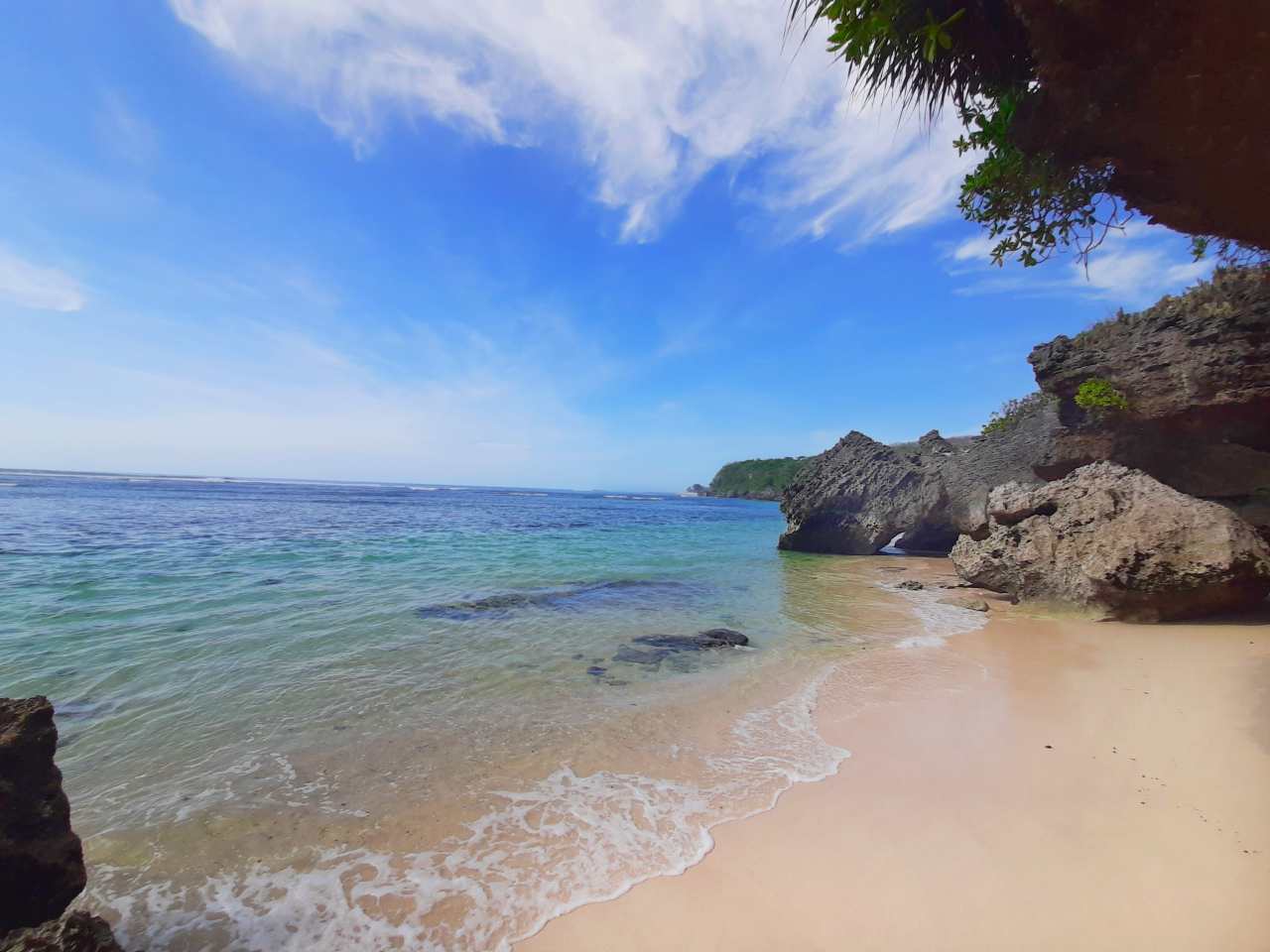
Pura Geger Beach is a quiet and scenic coastal spot in southern Bali, known for its clean white sand, calm waters, and peaceful environment. It is less crowded than major tourist beaches, making it ideal for travelers seeking relaxation and privacy. The beach gets its name from a small cliffside temple, Pura Geger, which adds a spiritual and cultural element to the landscape. The gentle waves make it suitable for swimming and snorkeling, while nearby resorts and cafes provide comfort without disturbing the tranquil atmosphere. It is a perfect escape for serene seaside moments.
Aren’t we all mesmerised by the beauty we experience during the visit to spiritual and historical places? This section of Best Places to Visit in Bali in 2026: Updated Travel Guide tells you all about the spirit that the history of Bali carries. Read as these send you down the alley of ancient holy history.

The Mother Temple of Bali is the island’s largest and most important Hindu temple in the complex. It's like the shri ram of temples in Hinduism in Bali. Located on the slopes of Mount Agung, it consists of over 80 individual temples spread across terraced hillsides. The site dates back more than a thousand years and serves as the central spiritual point for all Balinese Hindus. Pilgrims from across the island visit Besakih during major ceremonies, dressed in traditional attire. The elevated location offers panoramic views of rice fields and mountains, enhancing its sacred atmosphere and making it both a spiritual and visual highlight of Bali.
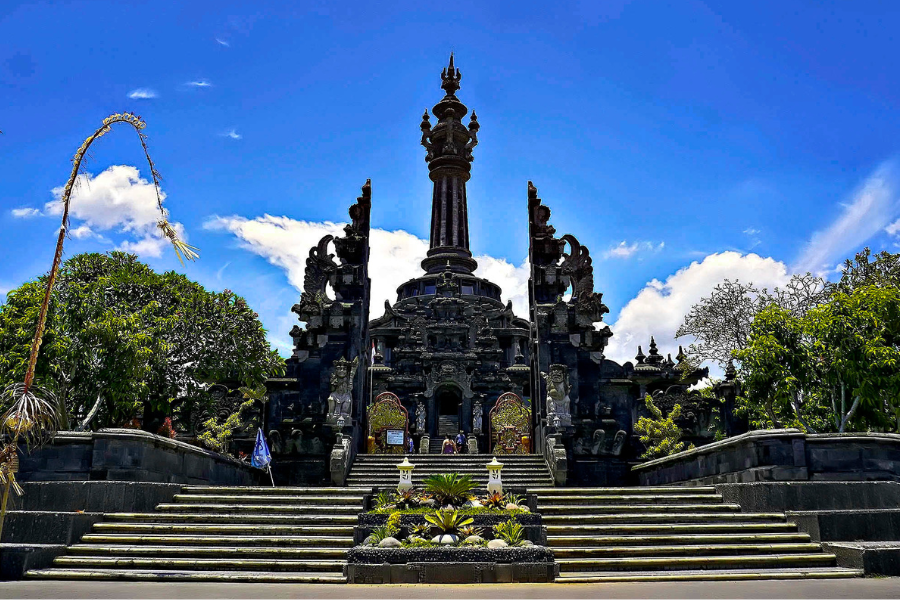
A representative of the independent Belize people had to fight to exercise. The place showcases a museum displaying its history and all the facts that could excite a historian. Walk over to the Niti Mandala Renon area, and find all the best independence and recreational activities to enjoy in the Bajra Sandhi Monument. Their true storied virtue makes them a perfect addition to the Best Places to Visit in Bali in 2026: Updated Travel Guide.

This place walks through tales of nine directional temples (Kahyangan Jagat), situated on the misty southern slopes of Mount Batukaru. Built in the 1200s, this place is dedicated to the Mahadev and the gods of the mountains. Characterized by ancient structures heavily covered in green moss, featuring Balinese carvings, and multi-tiered meru towers. The temple houses holy freshwater springs used for purification rituals and ceremonies. The temple holds great significance for the people coming to visit, so absolute obedience is expected.

The temple was founded around a large, natural spring in 962 AD during the Warmadewa dynasty. The name ‘Tirta Empul’ translates to ‘holy water spring’ in Balinese. The temple complex is divided into three main sections: Jaba Pura (front yard), Jaba Tengah (central yard), and Jeroan (inner yard), mirroring the structure of most Balinese temples. The inner sanctum is where devotees make offerings to shrines of gods like Brahma, Shiva, and Vishnu. The sacred spring water used in purification rituals makes it a holy place to experience.
These take you to the fun one is capable of having when on the road to explore the Best Places to Visit in Bali in 2026: Updated Travel Guide. All the islands are here to help you feel reled and rejuvenated, just like you wanted.
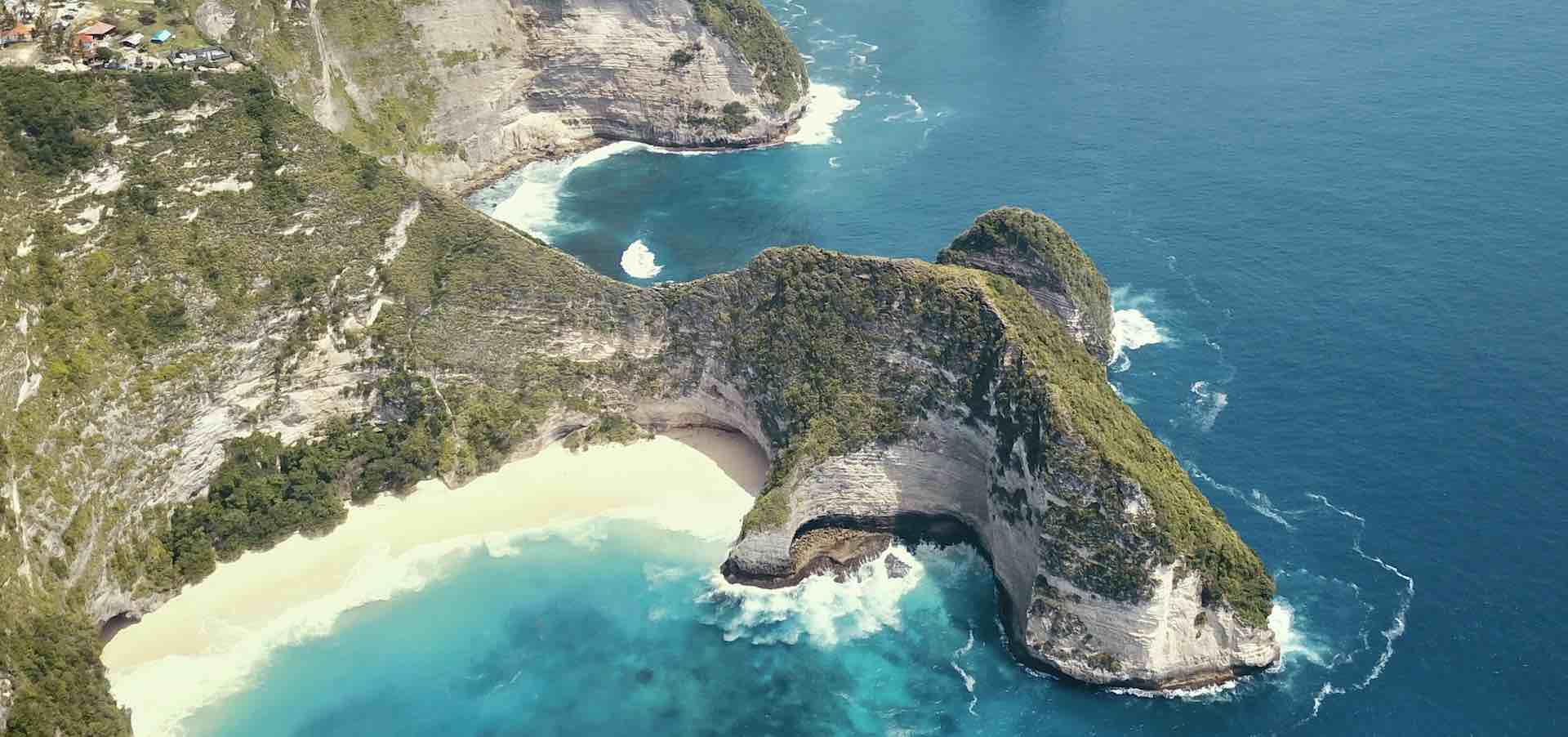
The land of dramatic limestone cliffs, turquoise waters, and world-class diving. Nusa Penida has become one of the most adventure-seeking places, and is always looked upon when wanting to go into a majestic sea waters experience. Some of its major attractions are:-
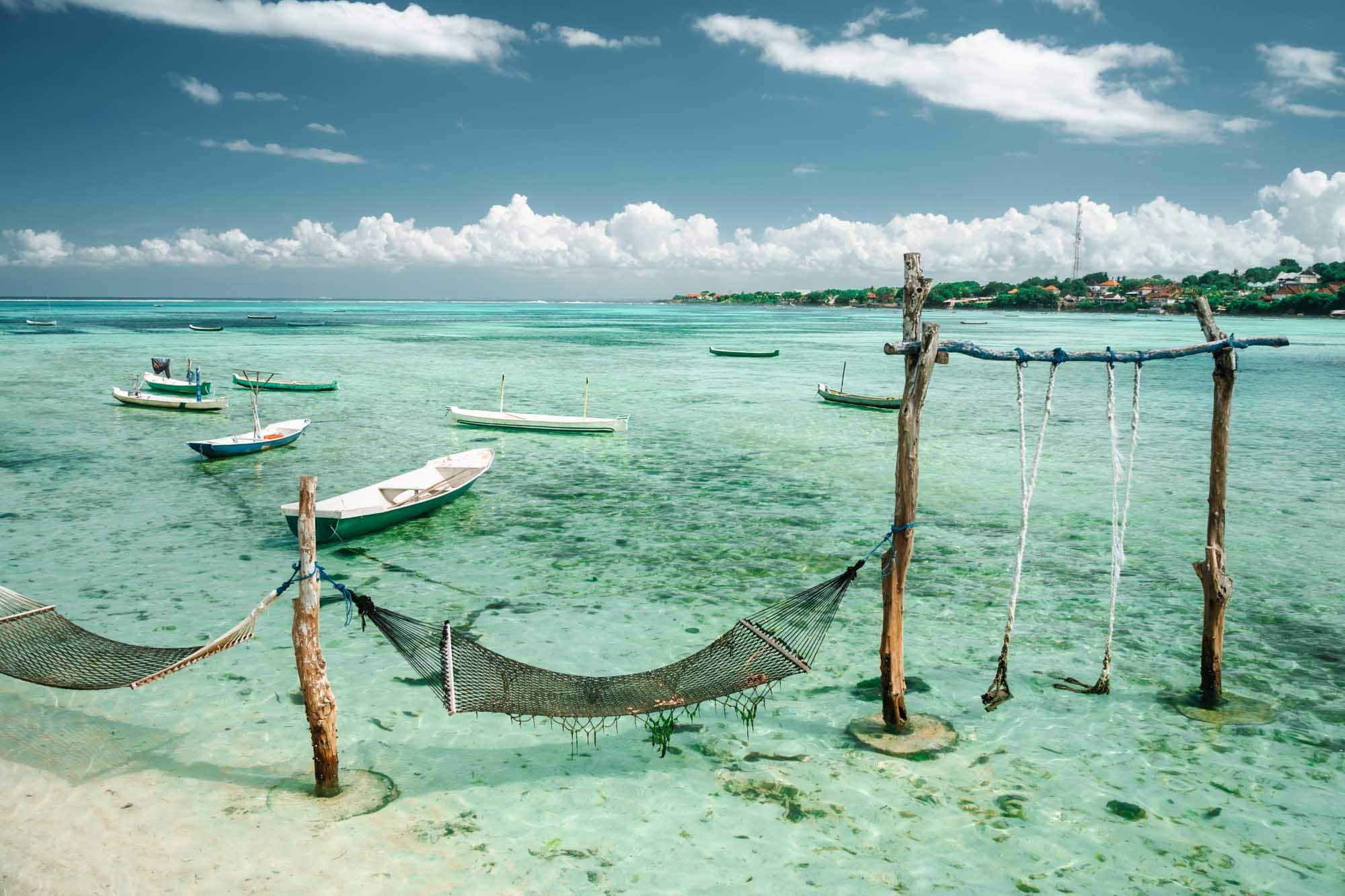
The small happy. Picturesque island with beautiful views and a touristy environment. Renowned for its natural beauty, clear waters, and relaxed atmosphere. It's a popular destination for those seeking an escape from the busy main island of Bali and offers a range of activities from surfing and diving to exploring mangrove forests and quiet beaches. Some of the Key attractions are:-

Ever heard of an island that’s protected like Rapunzel and her hair? Well, that's Menjangan Island for you. Deep in the West National Park, it is renowned for pristine coral reefs, excellent diving/snorkeling, and wild deer that swim to its shores. A haven for nature lovers, it offers clear waters, vibrant marine life, and tranquil beaches away from crowds, making it a prime spot for underwater exploration and escaping the typical Bali hustle.

Known as Turtle Island, this place will remind you to slow down, just like its mascot, and heal things bit by bit, instead of just being all over the place and not dealing with anything too haywire. As the place suggests, Turtle Island offers a lot to learn about the place without it being too much. For zoology enthusiasts, this place is best for all the key attractions it holds:-
Exploring the best places with a natural and cultural background can help elevate the experience of the Best Places to Visit in Bali in 2026: Updated Travel Guide. Go down an ecophile lane of all that Bali has to offer.
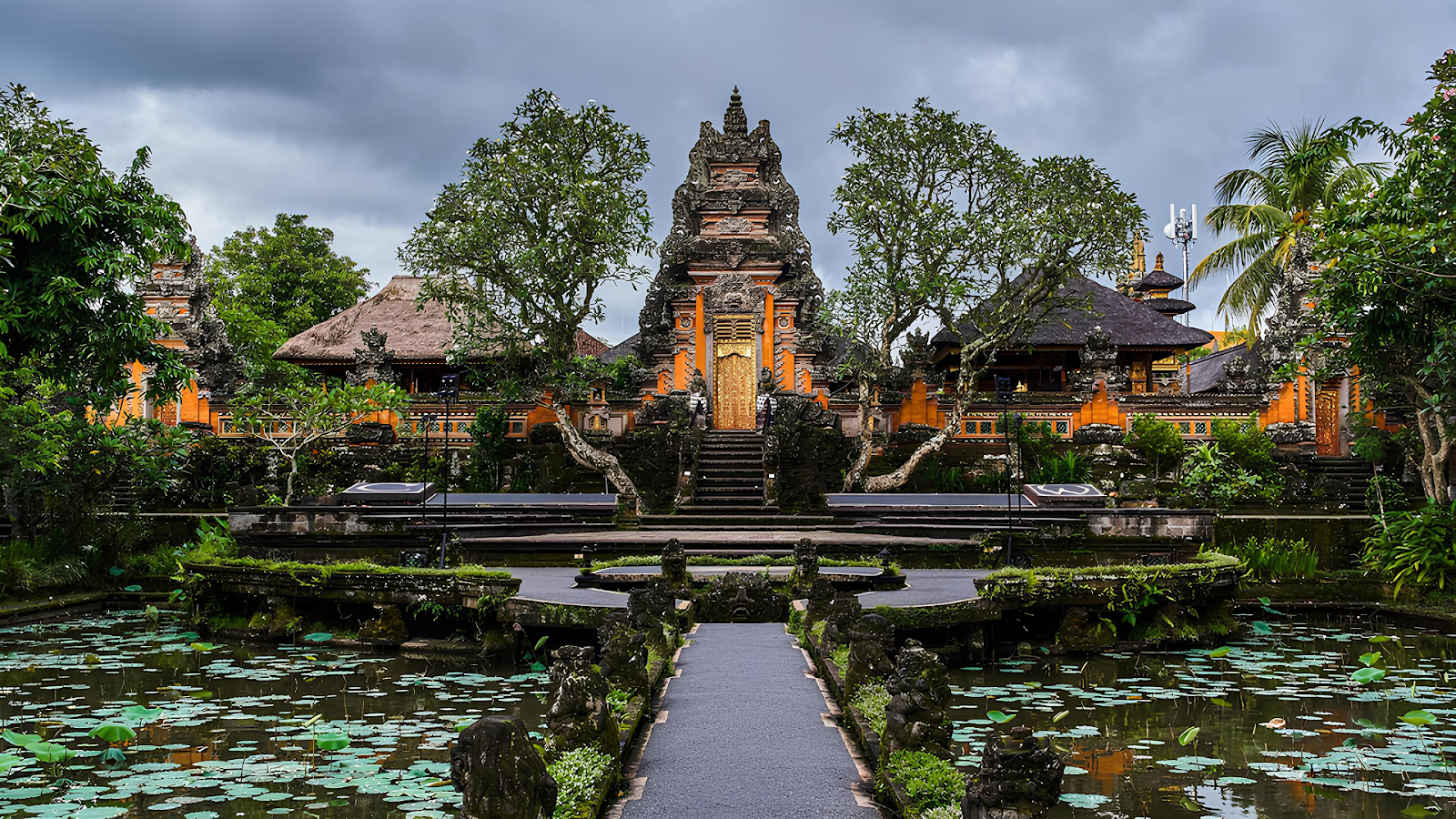
Ubud Palace, known locally as Puri Saren Agung, is a historic royal residence situated in the heart of Ubud. Built in traditional Balinese architectural style in the early 19th century, it was the official home of Ubud’s royal family and remains partially inhabited by descendants today. The palace complex features intricately carved stone and wood structures, landscaped gardens, and an open courtyard that hosts nightly traditional Balinese dance performances such as the Legong, accompanied by gamelan music.

The Sacred Monkey Forest Sanctuary (Mandala Suci Wenara Wana) is a lush jungle reserve near central Ubud that conserves both nature and culture. Spanning about 12.5 hectares, it is home to more than a thousand Balinese long-tailed macaques and diverse plant species. Within its shaded paths lie three ancient Hindu temples dating back centuries, blending spiritual significance with wildlife observation.

The Tegalalang Rice Terraces are an iconic landscape north of Ubud, renowned for their emerald-green tiered paddies carved into the hillside. These terraces showcase Bali’s traditional subak irrigation system, a centuries-old cooperative water management practice that supports rice cultivation and reflects the island’s agrarian heritage. Visitors can stroll along narrow paths between paddies, enjoy panoramic valley views, and observe local farmers tending the fields.

The Campuhan Ridge Walk is a celebrated nature trail just outside central Ubud, offering a peaceful and scenic escape into Bali’s countryside. The path begins near the confluence of rivers and winds along a grassy ridge above lush valleys, fringed by coconut palms and wildflowers. It is an easy, well-marked trail suitable for casual walkers, ideal at sunrise or sunset when the light and temperature are most pleasant.
When is the best time to visit Bali?
The dry season, from April to October, is generally considered the best time to visit for beach activities, trekking, and clear skies. However, the off-season (November to March) offers fewer crowds and lower prices, though rainfall may be more frequent.
What are the must-visit attractions in Bali?
Some of the most popular places include- Uluwatu Temple for cliffside sunsets and cultural dance performances, Ubud Monkey Forest for wildlife and a spiritual atmosphere, Tegallalang & Jatiluwih Rice Terraces for scenic UNESCO-listed landscapes. Tanah Lot Temple for iconic seaside views, Nusa Penida & Nusa Lembongan Islands for day trips with beaches and snorkeling.
Do I need a visa to enter Bali?
Visa requirements depend on your nationality. Many countries offer visa exemptions or visa-on-arrival options, but these rules are subject to change. Always check the current Indonesian immigration policies before booking. (Check with Indonesian consulate/embassy or official government sources.)
What are the must-know cultural customs?
Respecting local Balinese Hindu customs is important. Dress modestly at temples and follow any cultural etiquette when entering sacred sites. Some areas may have specific requirements, such as traditional attire or modest dress codes.
Is Bali safe to travel to?
Generally, Bali is considered safe for tourists, but standard travel precautions should still be taken. Keep belongings secure, and avoid isolated areas at night. Follow local laws (e.g., no disrespectful behavior at religious sites).
How far in advance should I book accommodations and tours?
For peak travel periods (July–August, Christmas/New Year), book at least 2–3 months in advance. For high-demand experiences like Mt. Batur sunrise hikes or cultural performances, booking ahead ensures availability.
What is the currency in Bali, and the payment options?
The official currency is the Indonesian Rupiah (IDR). Cash is widely used, but cards are accepted in many hotels, restaurants, and shops. Small markets and street vendors may prefer cash.
Are there health precautions I should take?
Yes. Use mosquito repellent to protect against bites, and stay hydrated due to the tropical climate. Water safety (e.g., avoid unfiltered tap water) is also recommended.